
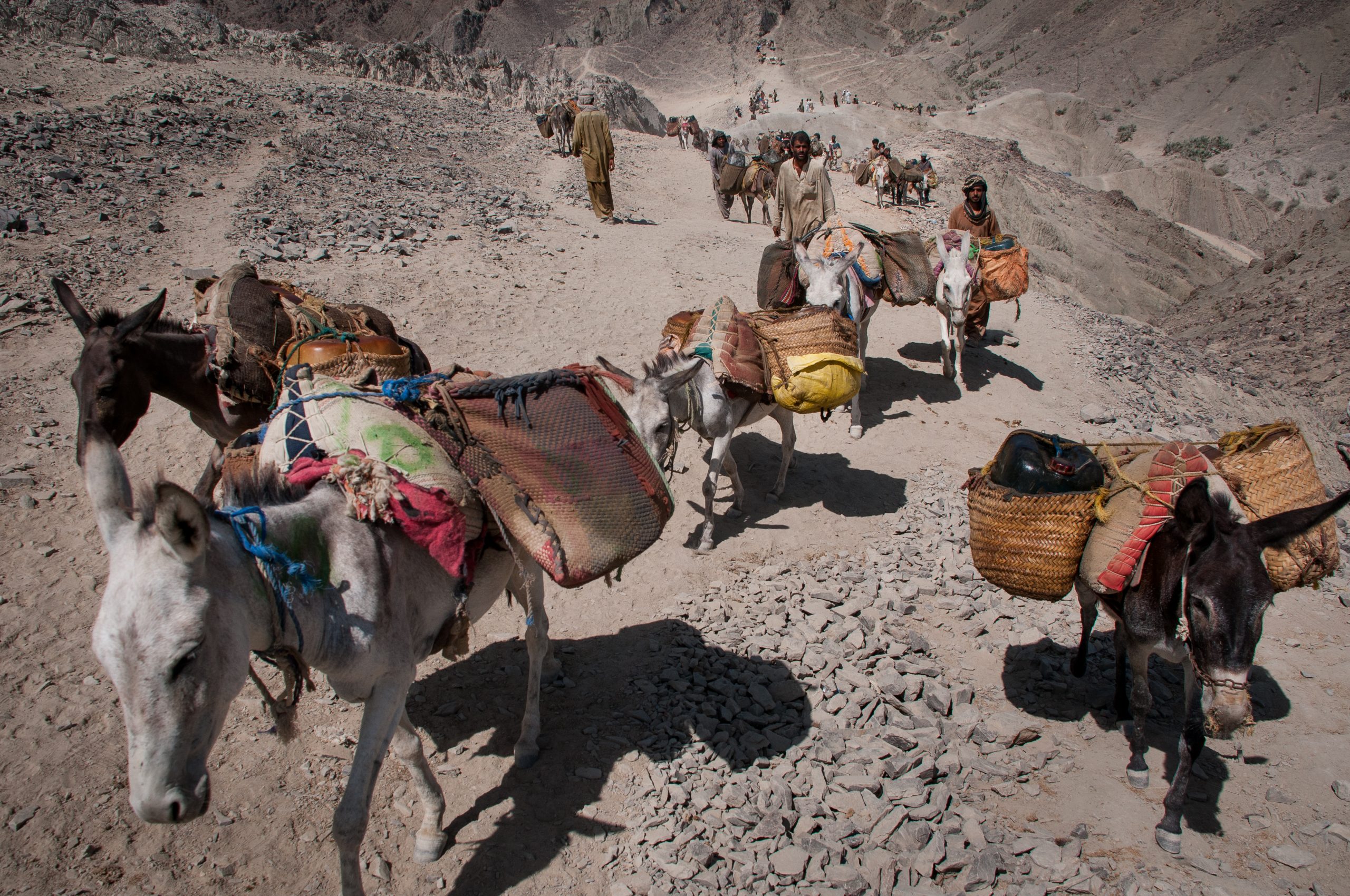
Fuel smuggling, driven by dire economic conditions, has become a lifeline for many in Iran's Balochistan region. These individuals, often referred to as سوختبران (fuel porters), risk their lives daily to transport fuel to neighboring countries like Pakistan to feed their families amidst rampant joblessness and unemployment. The severe economic conditions in Balochistan have pushed many into fuel smuggling. High poverty rates and lack of employment opportunities compel individuals to engage in this risky trade. Despite the dangers, this trade offers a vital means of subsistence for many families in the region.
IRGC Involvement and Brutal Crackdowns
The IRGC has been heavily involved in the violent suppression of fuel smugglers. Reports indicate that security forces frequently open fire on fuel porters without prior warning. For instance, on February 22, 2021, at least ten individuals, including a 17-year-old boy, were killed when Iranian forces fired on fuel porters in Sistan and Baluchistan. This incident underscores the deadly risks faced by those involved in fuel smuggling.
The involvement of the IRGC highlights the regime's determination to control the borders and suppress any activities it deems illegal. However, this often leads to excessive and lethal force against unarmed civilians trying to survive economically. The IRGC's actions have been characterized by a lack of accountability and transparency, with many killings going uninvestigated and unpunished.
Unlawful Killings and Human Rights Violations
The killings of fuel porters are part of a broader pattern of human rights abuses against the Baloch population. Amnesty International has called for independent investigations into these unlawful killings, highlighting the need for accountability and justice. The organization has documented numerous cases where fuel porters were shot and killed by Iranian security forces, stressing the disproportionate use of lethal force against unarmed individuals
The broader implications of these actions are severe, not only because they result in loss of life but also because they perpetuate a cycle of violence and fear. Families of the victims are often left without any form of redress or compensation, further entrenching the socio-economic hardships faced by the Baloch community .
Case Studies: Fatal Crackdowns on Fuel Smugglers
Several incidents illustrate the ongoing violence against fuel smugglers:
- February 2021: At least ten fuel porters were killed by Iranian forces, sparking outrage and calls for justice. This incident reflects the systemic violence employed to suppress the economically marginalized Baloch community.
- Norouz Crackdown: During the Persian New Year celebrations (Norouz), reports emerged of 27 fuel smugglers being killed in a crackdown by Iranian security forces. This further exemplifies the continuous threats faced by fuel porters in the region .
In another tragic instance, Rasank News reported that a young Baloch fuel porter named Mohammad Khakzehi was shot by military forces without prior warning while transporting fuel. His vehicle overturned and caught fire, leading to severe injuries from which he later died. Such incidents highlight the daily dangers faced by fuel smugglers and the indiscriminate violence used by security forces .
Implications for the Baloch Community
The violent suppression of fuel smugglers exacerbates the socio-economic and political marginalization of the Baloch community. These crackdowns not only result in loss of life but also deepen the sense of injustice and alienation among the Baloch people. The economic deprivation, coupled with the constant threat of violence, creates a volatile environment where basic survival becomes a daily struggle.
The Baloch community's reliance on fuel smuggling as a means of survival is a direct consequence of the systemic neglect and marginalization they face. Without adequate employment opportunities or economic development initiatives, many see no alternative but to engage in this perilous trade. The Iranian government's harsh response to fuel smuggling further victimizes an already oppressed community, perpetuating a cycle of poverty and violence.
International Response and Call for Justice
Human rights organizations have condemned the Iranian regime's actions and called for independent investigations into the killings of fuel porters. Amnesty International and other advocacy groups emphasize the need for accountability and the protection of human rights in Balochistan. The international community's attention is crucial in pressuring Iran to end its violent repression and address the underlying economic and social issues facing the Baloch population.
Amnesty International's call for independent investigations into these unlawful killings underscores the importance of international oversight in holding the Iranian regime accountable. Human rights organizations continue to document these abuses and advocate for the rights of the Baloch people, highlighting the urgent need for justice and systemic change.
The tragic plight of fuel smugglers in Balochistan is a stark testament to the severe economic desperation faced by many in the region. These individuals, driven by a lack of employment opportunities and rampant poverty, risk their lives daily to provide for their families by smuggling fuel to neighboring countries. The involvement of the IRGC and their brutal crackdowns highlight the regime's excessive and often lethal use of force against unarmed civilians. These unlawful killings, documented by human rights organizations such as Amnesty International, demand independent investigations and accountability.
The broader implications of these violent suppressions extend beyond the immediate loss of life, perpetuating a cycle of fear, violence, and socio-economic hardship for the Baloch community. The systemic neglect and marginalization faced by the Baloch people leave them with few alternatives but to engage in perilous trades like fuel smuggling. The international community's condemnation and calls for justice are crucial in holding the Iranian regime accountable and addressing the underlying issues that drive this desperate economic activity.
To break this cycle of poverty and violence, it is imperative that the Iranian government, with international oversight, implements systemic changes to provide economic opportunities, protect human rights, and ensure justice for the victims of state violence. The plight of the fuel smugglers is not just a story of economic desperation but also a call for systemic reform and human dignity in Balochistan.
