
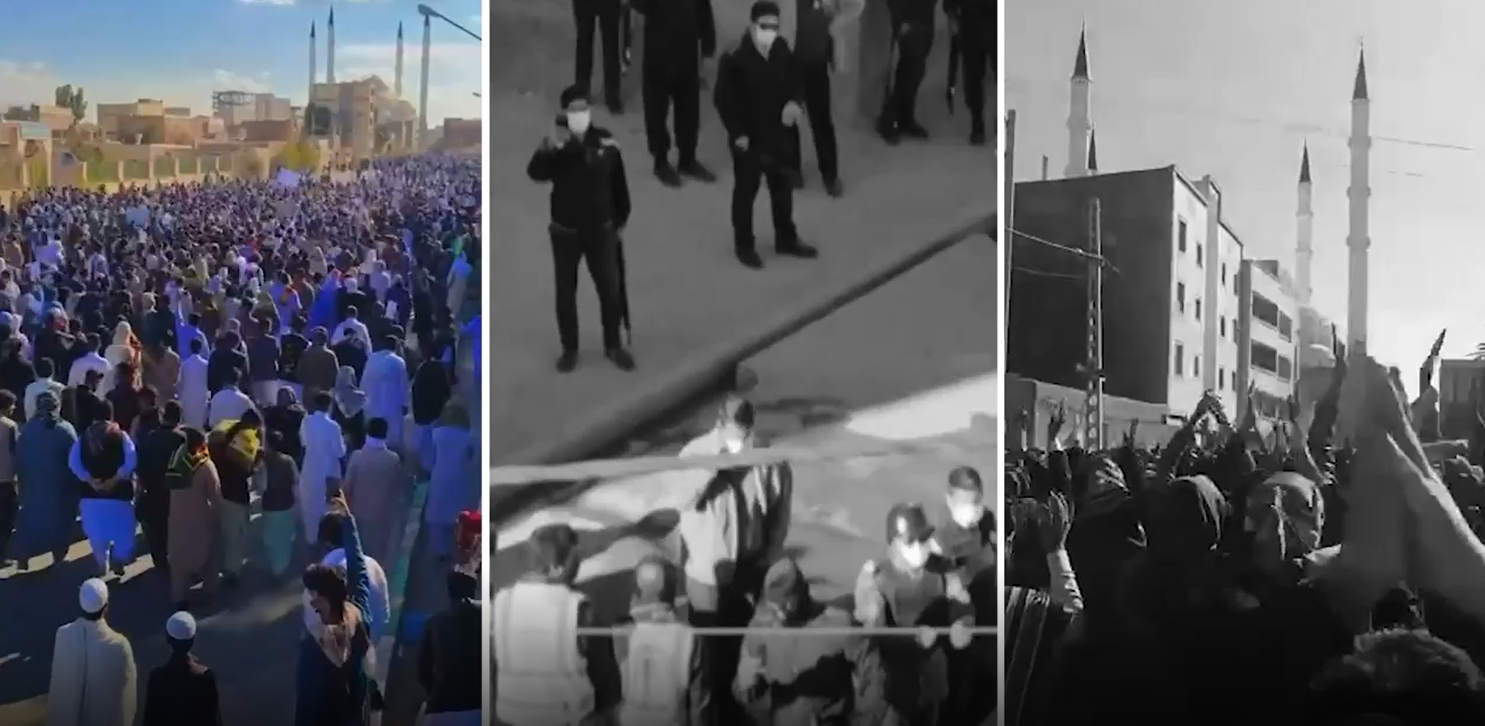
Zahedan Bloody Friday, which took place on September 30, 2022, in Zahedan, the capital of Iran's Sistan and Baluchistan province, stands as one of the most tragic and violent crackdowns in recent Iranian history. On this day, Iranian security forces, including the Islamic Revolutionary Guard Corps (IRGC), opened fire on Baloch protesters, resulting in the death of over 100 individuals, with hundreds more injured. This brutal suppression serves as a stark reminder of the systemic oppression and human rights violations that the Baloch community has endured under the Iranian regime.
The protests on Bloody Friday were part of a broader movement against systemic discrimination and human rights abuses by the Iranian government. The Baloch community, long marginalized both economically and politically, gathered to demand their rights, freedom, and an end to oppressive policies. The immediate catalyst for these protests was the alleged rape of a young Baloch woman by a local police commander, which fueled widespread outrage and demands for justice and accountability. Additionally, the nationwide discontent following the death of Mahsa Amini, a Kurdish woman who died in police custody, further ignited the protests under the banner "Women, Life, Freedom."
Despite the violent crackdown, protests have continued in Zahedan and other parts of Balochistan, symbolizing the resilience and determination of the Baloch people. These ongoing demonstrations reflect deep-seated grievances related to ethnic discrimination, economic deprivation, and political disenfranchisement. The struggle of the Baloch community is not only about immediate demands but also about long-term recognition and justice.
Human Rights Violations and Genocide
The Iranian regime's actions in Zahedan are part of a broader pattern of cruelty and genocide against the Baloch population. Systematic human rights abuses include arbitrary arrests, torture, and extrajudicial killings. The regime's policies aim to suppress any form of dissent and maintain strict control over the resource-rich yet impoverished province. The IRGC's involvement in the violent suppression of the protests highlighted the regime's determination to crush any form of dissent, especially in restive regions like Balochistan.
The Baloch people face severe economic marginalization, with high poverty rates and lack of access to basic services. Discrimination in employment, education, and political representation further exacerbates their plight. This systemic injustice fuels the ongoing protests, as the Baloch demand equal rights and opportunities. The crackdown has further alienated the Baloch population, reinforcing their sense of injustice and fueling ongoing resistance.
Women's Role in the Protests
Women have played a significant role in the Baloch protests, echoing the broader Iranian women's movement for "Women, Life, Freedom." The participation of women highlights the intersection of gender and ethnic oppression, as Baloch women fight not only against the regime's brutality but also for gender equality within their community. The death of Mahsa Amini in police custody on September 16, 2022, acted as a catalyst for widespread protests across Iran. Amini's death, attributed to the brutality of the morality police, sparked outrage not just among the Kurdish community but across various ethnic groups in Iran. The slogan "Women, Life, Freedom" became a rallying cry for those demanding an end to state violence, gender discrimination, and broader human rights abuses.
The Role of IRGC
The IRGC played a significant role in the violent suppression of the protests. Their involvement highlighted the regime's determination to crush any form of dissent, especially in restive regions like Balochistan. The IRGC's actions on Bloody Friday were marked by extreme brutality, reflecting a broader strategy of using excessive force to maintain control over minority populations.
The international community has condemned the Iranian regime's actions, calling for accountability and respect for human rights. Human Rights Watch and other organizations have documented the abuses, urging global powers to exert pressure on Iran to cease its violent repression of protesters and address the legitimate grievances of the Baloch people and other marginalized communities. Reports and statements from human rights organizations have highlighted the severity of the crackdown and the need for international intervention to protect the rights of the Baloch population.
Implications for the Baloch Population
The consequences of Zahedan Bloody Friday for the Baloch community have been severe. The event not only resulted in a significant loss of life but also heightened existing tensions between the Baloch people and the Iranian government. The systemic oppression faced by the Baloch includes economic deprivation, lack of access to education and healthcare, and political exclusion. The crackdown has further alienated the Baloch population, reinforcing their sense of injustice and fueling ongoing resistance.
Zahedan Bloody Friday stands as a grim reminder of the Iranian regime's cruelty and the ongoing genocide against the Baloch population. The resilience of the Baloch people in the face of such brutality underscores their unwavering demand for justice, equality, and freedom. The international community must not turn a blind eye to their plight and should support efforts to hold the Iranian government accountable for its human rights violations. The resilience of the Baloch people in the face of such brutality underscores their unwavering demand for justice, equality, and freedom. The international community must not ignore their plight and should support efforts to hold the Iranian government accountable for its human rights violations.
