
The Baluchi society, spanning regions in both Iran and Pakistan, is traditionally patriarchal, where social and political structures have long been dominated by men. Despite these societal constraints, Baluchi women have been instrumental in shaping the socio-political landscape of their communities. Over the years, their roles have evolved from being confined to household responsibilities to becoming central figures in social and political activism.
The Emergence of Female Leaders
Historically, Baluchi women have been the most oppressed segment within their patriarchal society, but this has not deterred them from becoming active participants in the fight for their rights and the broader struggle for autonomy and justice in Baluchistan.
Key Figures and Their Contributions
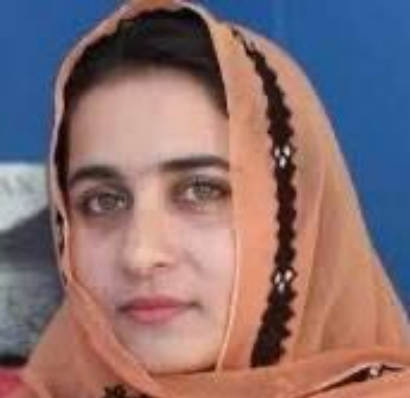
Karima Baloch Karima Baloch, from eastern Baluchistan in Pakistan, was a trailblazer in Baluchi politics. She became the first female Secretary-General of the Baloch Students Organization (BSO), a significant milestone given the male-dominated nature of student politics in the region. Karima's leadership was widely respected by both male and female students, marking a significant turning point for women's participation in political activism. Her efforts were not only confined to student politics but also extended to advocating for the rights of the Baluch people on a broader scale.
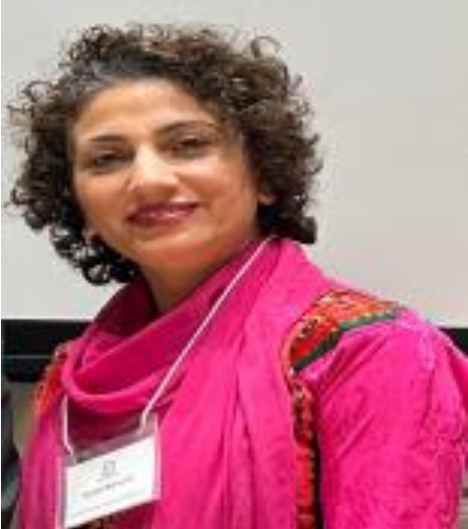
Fariba Baloch In western Baluchistan in Iran, Fariba Baloch emerged as a vocal advocate against the oppression of Baluchi women. Fariba utilized social media and public speeches in Europe to highlight the injustices faced by her community. Notably, she delivered a powerful speech in Berlin during the "Jina (Mahsa) Movement," calling for the freedom of all political prisoners and advocating for the rights of Baluchi women. Fariba's activism has played a crucial role in bringing international attention to the plight of Baluchi women and the broader community.

Dr. Mahrang Baloch Dr. Mahrang Baloch is a contemporary leader in the Baluchi women's protest movements. She has organized significant actions, including a 1500-kilometer march from Turbat to Islamabad, demanding justice and the release of forcibly disappeared Baluch individuals. Dr. Mahrang's activism underscores the critical role of Baluchi women in leading social transformations and advocating for human rights.
Social and Political Impact
The involvement of women in Baluchi society and politics has had a profound impact on the region's social dynamics. Despite facing severe oppression and discrimination, Baluchi women have demonstrated remarkable resilience and leadership. Their participation has not only challenged traditional gender roles but also brought significant attention to the human rights abuses in Baluchistan.
Organized Struggles and Activism
Baluchi women have organized themselves into various groups and movements to fight against systemic discrimination and marginalization. Their organized struggles have been pivotal in transforming Baluchistan from a "kept backward province" into a region actively fighting for its rights. Through peaceful protests, advocacy, and international outreach, Baluchi women have played a critical role in highlighting the injustices faced by their community.
Human Rights Abuses and Challenges
The struggle for Baluchi women's rights is deeply intertwined with the broader human rights issues in Baluchistan. Reports from various sources, including Amnesty International and Human Rights Watch, document severe human rights abuses in the region, including arbitrary arrests, torture, unfair trials, and high execution rates. Baluchi women, in particular, face gender-based violence and discrimination.
Gender-Based Violence and Inequality
Gender inequality remains one of the most vivid forms of discrimination in Baluchistan. Despite constitutional guarantees, Baluchi women continue to face severe restrictions on their freedom and rights. Activists like Fariba Baloch have been vocal about these issues, using platforms in Europe to raise awareness and advocate for change. Their efforts have been instrumental in bringing international attention to the systemic injustices faced by Baluchi women .
The Path Forward
The document underscores the importance of unity and organized activism for the success of civil and peaceful struggles. It calls for courageous and pioneering men and women to play complementary roles in shaping societal transformations. The role of Baluchi women in this context cannot be overstated. Their leadership and activism are crucial for achieving justice and equality in the region.
The role of women in Baluchi society and politics has evolved significantly over the years. From being confined to household responsibilities, Baluchi women have emerged as key figures in the struggle for justice and equality. Their relentless efforts and leadership have not only highlighted the ongoing human rights issues in Baluchistan but also challenged traditional gender roles, promoting a more inclusive approach to the nationalist struggle. The unity and organized efforts of these women are crucial for the success of civil and peaceful struggles, making them key figures in the transformation of Baluchi society.
